Celestial Wonders Await: Southern Hemisphere Sky Highlights for May 2026
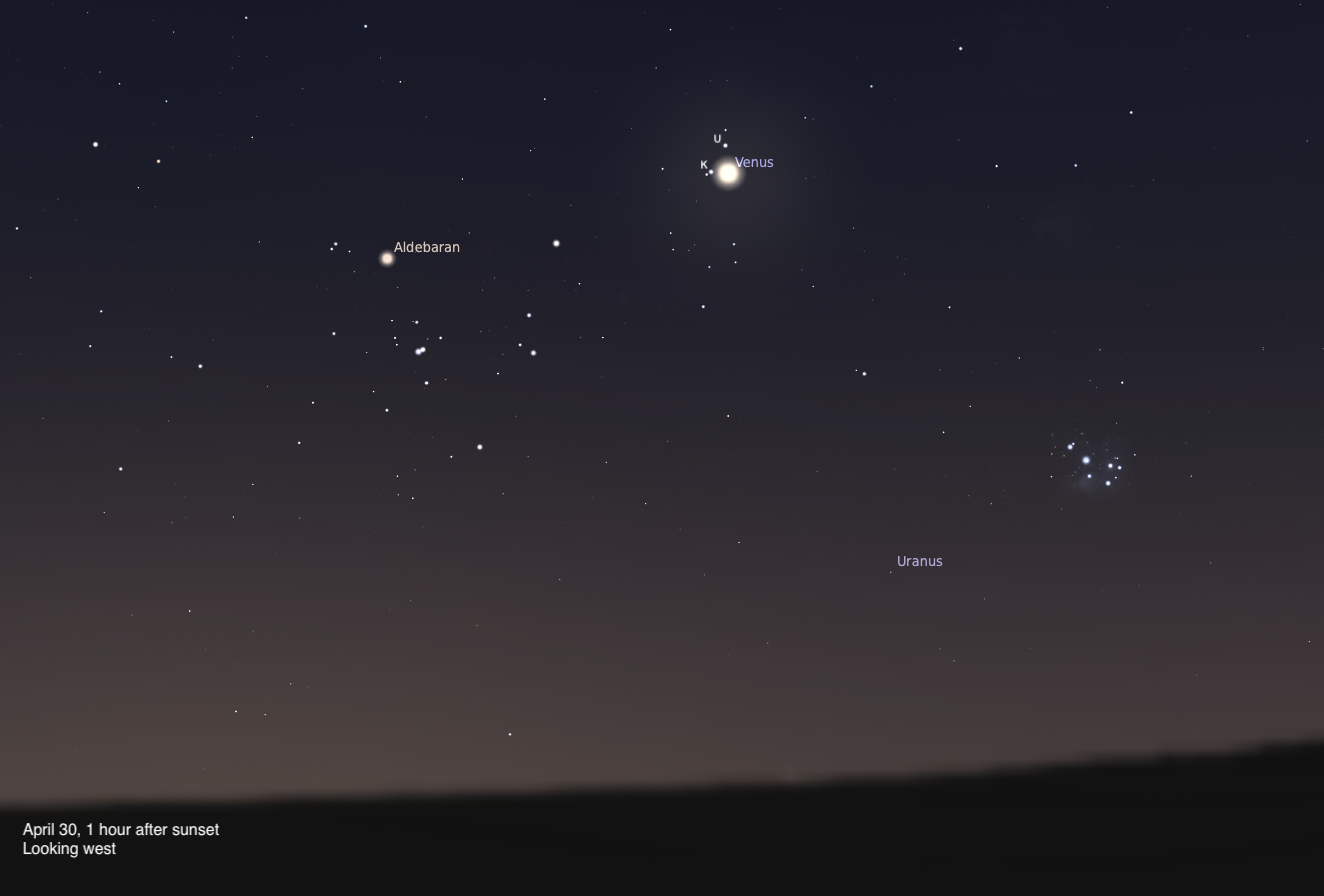
As May 2026 unfolds, astronomers and stargazers in the Southern Hemisphere are in for a visual feast, with Venus and Jupiter taking center stage in the twilight sky. Observing these planets not only enriches our understanding of planetary motion but also ignites the wonder of our cosmic neighborhood.
Artemis 3 Delay: A Setback for Lunar Exploration Aspirations
NASA's Artemis 3 mission faces a new timeline, now projected for late 2027, creating uncertainty around the agency's goal to return humans to the Moon by 2028. As technological hurdles mount for key players like SpaceX and Blue Origin, the future of lunar exploration hangs in the balance.
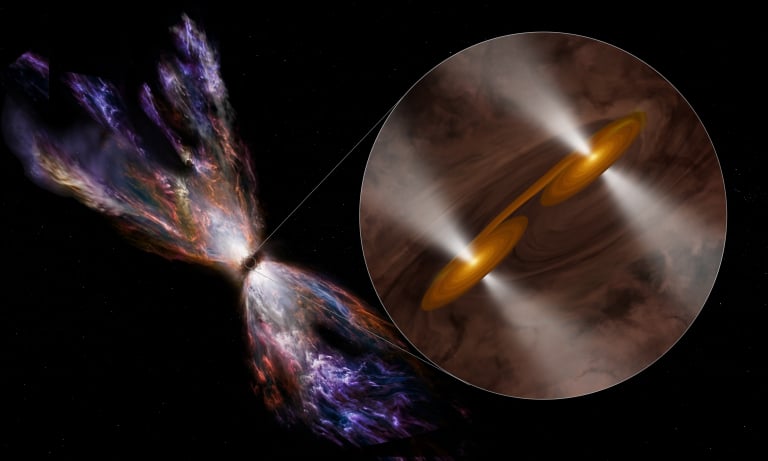
Unraveling the Mysteries of Binary Star Formation: A New Perspective
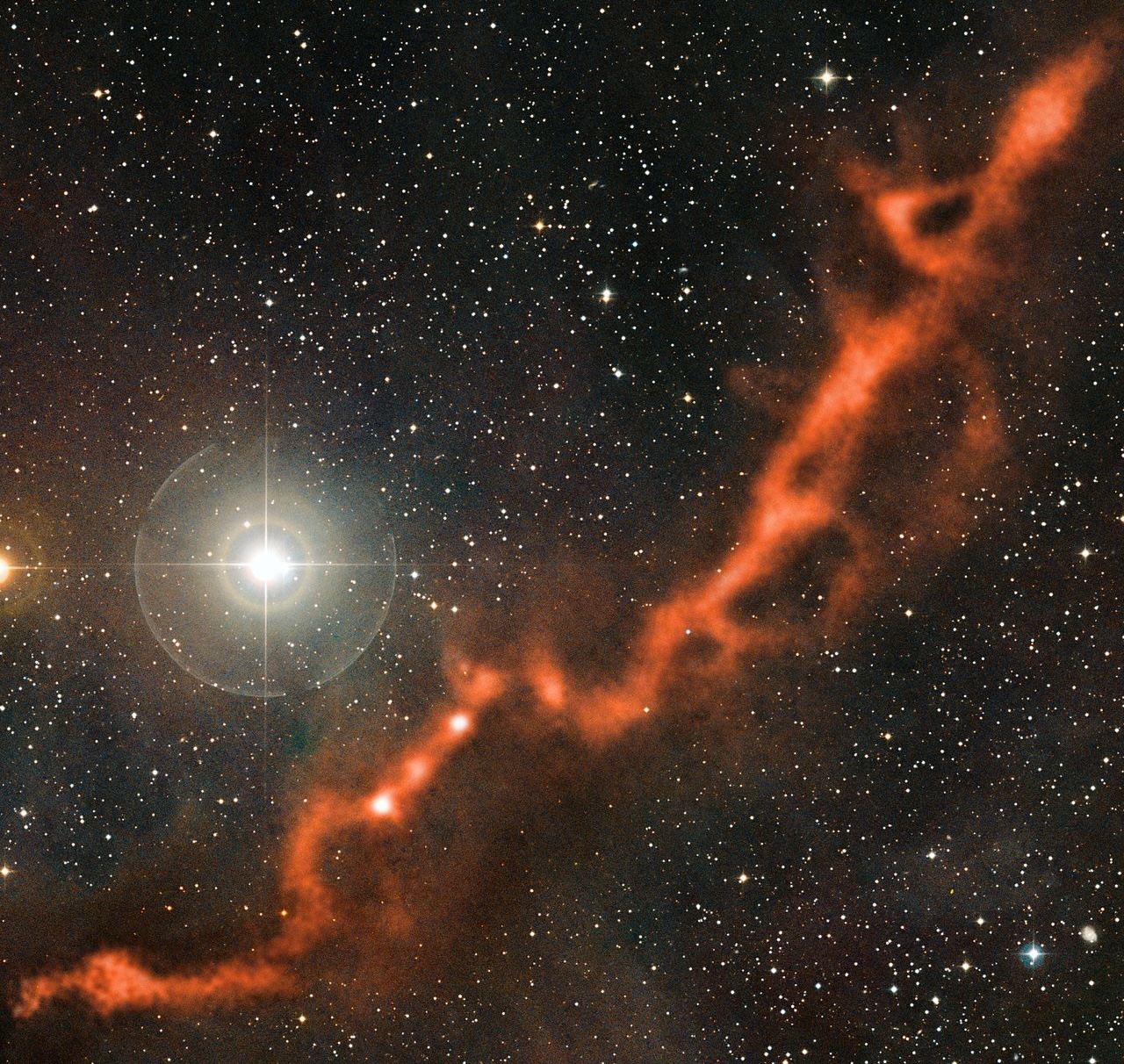
The formation mechanisms of binary stars could redefine our understanding of stellar evolution. A recent study proposes that disk fragmentation plays a pivotal role in the creation of these complex stellar systems.
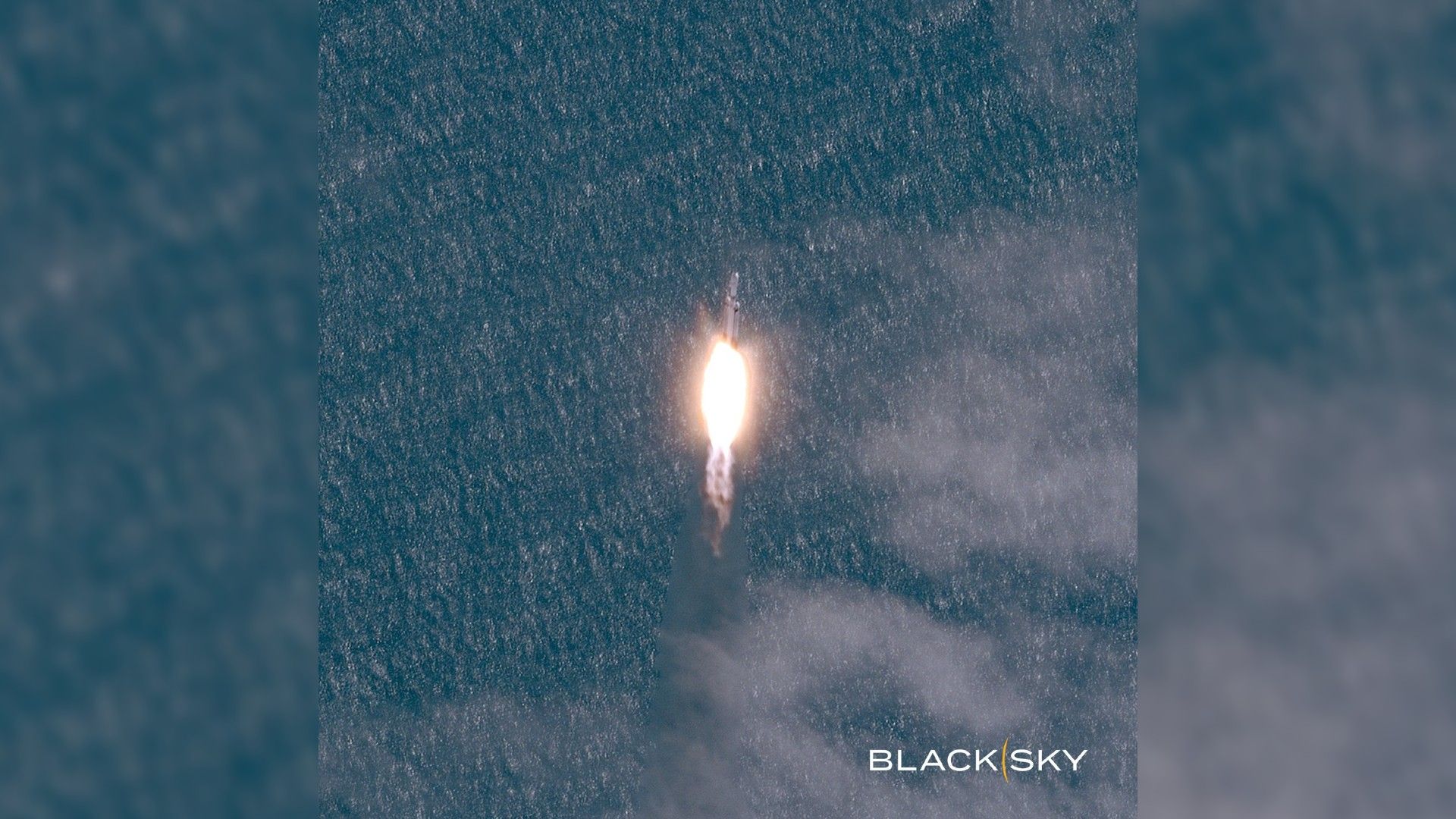
Falcon Heavy's Spectacular Return: A Cosmic Dance Captured from Orbit
The recent launch of SpaceX's Falcon Heavy rocket after an 18-month hiatus has provided astronomers and space enthusiasts alike with breathtaking satellite imagery. As this colossal vehicle ascended into the cosmos, it reignited interest in the burgeoning landscape of commercial space exploration.
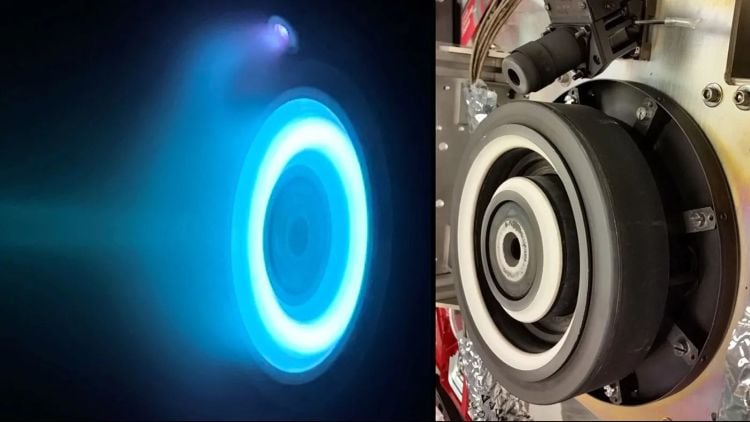
Breakthrough Lithium-Plasma Engine Revolutionizes Mars Propulsion
A transformative leap in propulsion technology may soon redefine interplanetary travel. The new lithium-plasma engine, recently validated in crucial tests, promises to enable astronauts to embark on unprecedented journeys to Mars at extraordinary speeds.
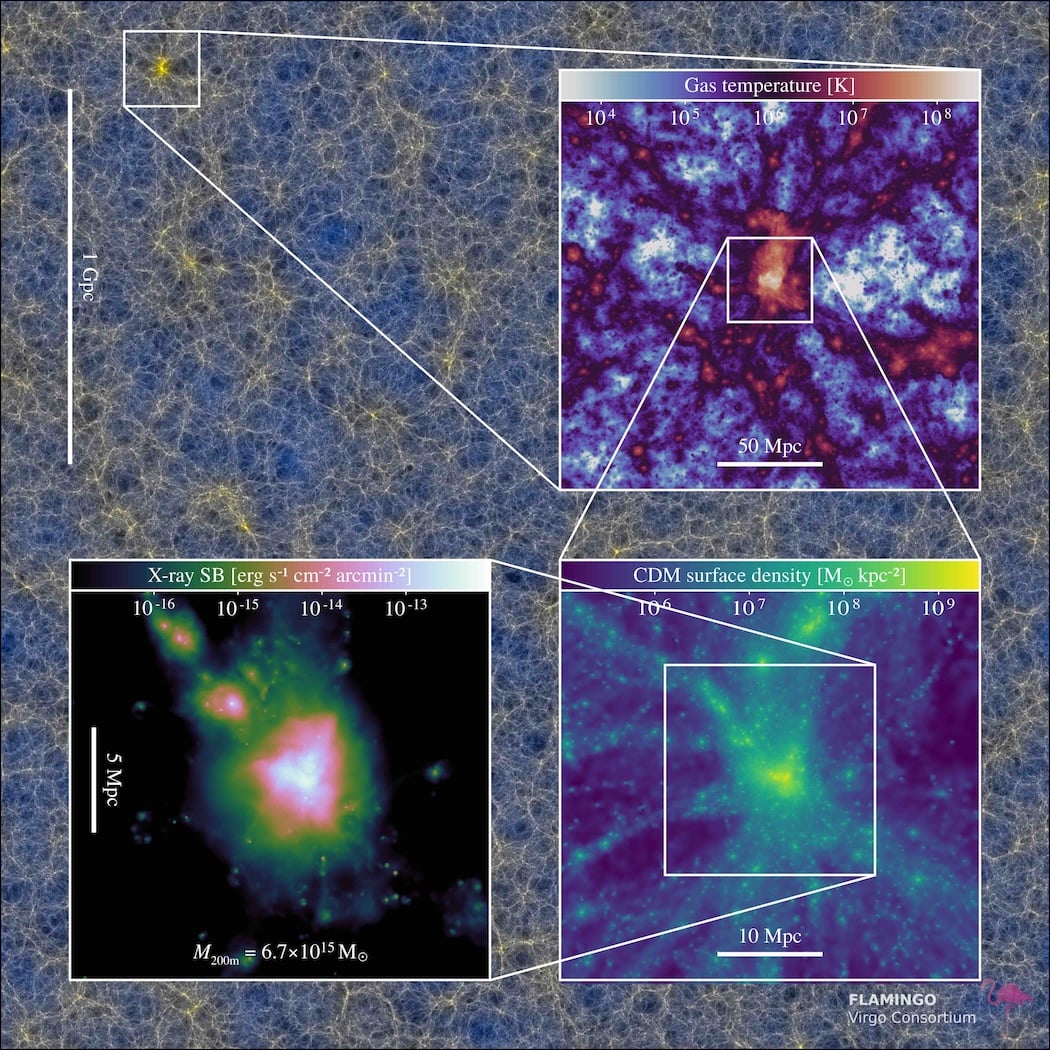
Unlocking the Cosmos: A Groundbreaking Dataset for Astrophysical Research
In a monumental leap for cosmology, an international consortium of astrophysicists has unveiled one of the most extensive datasets ever created, comprising 2.5 petabytes of simulated cosmic evolution. This treasure trove of information, generated through advanced simulations, offers unprecedented insights into the universe's structure from its inception to the present day.
Legends of the Cosmos: Heroes and Villains in the Universe of Astrophysics
As we delve deeper into the cosmos, the quest to understand its heroes and villains—be they celestial phenomena or theoretical constructs—becomes more critical. In this exploration, we celebrate the figures and concepts that have shaped our understanding of the universe.

House Appropriators Preserve NASA Funding Amidst Budgetary Uncertainty
In a critical moment for space exploration, House appropriators have opted to maintain NASA’s funding at 2026 levels, countering a proposed 23% reduction from the White House. This decision holds significant implications for ongoing astrophysical research and future missions to uncover the mysteries of the universe.



Northrop Grumman's Sensor Delivery Amidst Shifting Pentagon Strategies
In a surprising move, the Pentagon has opted to cancel the Next-Generation OPIR Polar satellite program, redirecting resources towards alternative missile warning systems in lower orbits. This decision highlights the dynamic landscape of aerospace technology and its implications for future celestial observations.

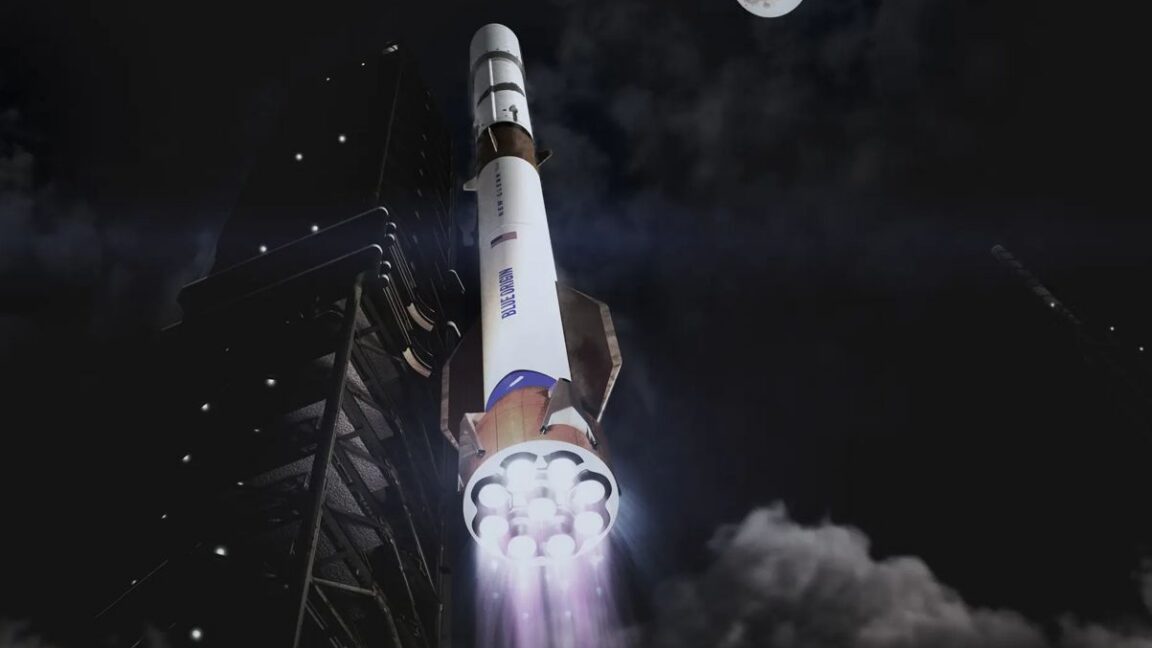
Blue Origin's New Glenn: Aiming for the Stars with 100 Launches Annually
Blue Origin is setting its sights high with the ambitious goal of launching its New Glenn rocket up to 100 times a year. This endeavor not only underscores the company's commitment to expanding access to space but also has profound implications for the future of aerospace technology and exploration.
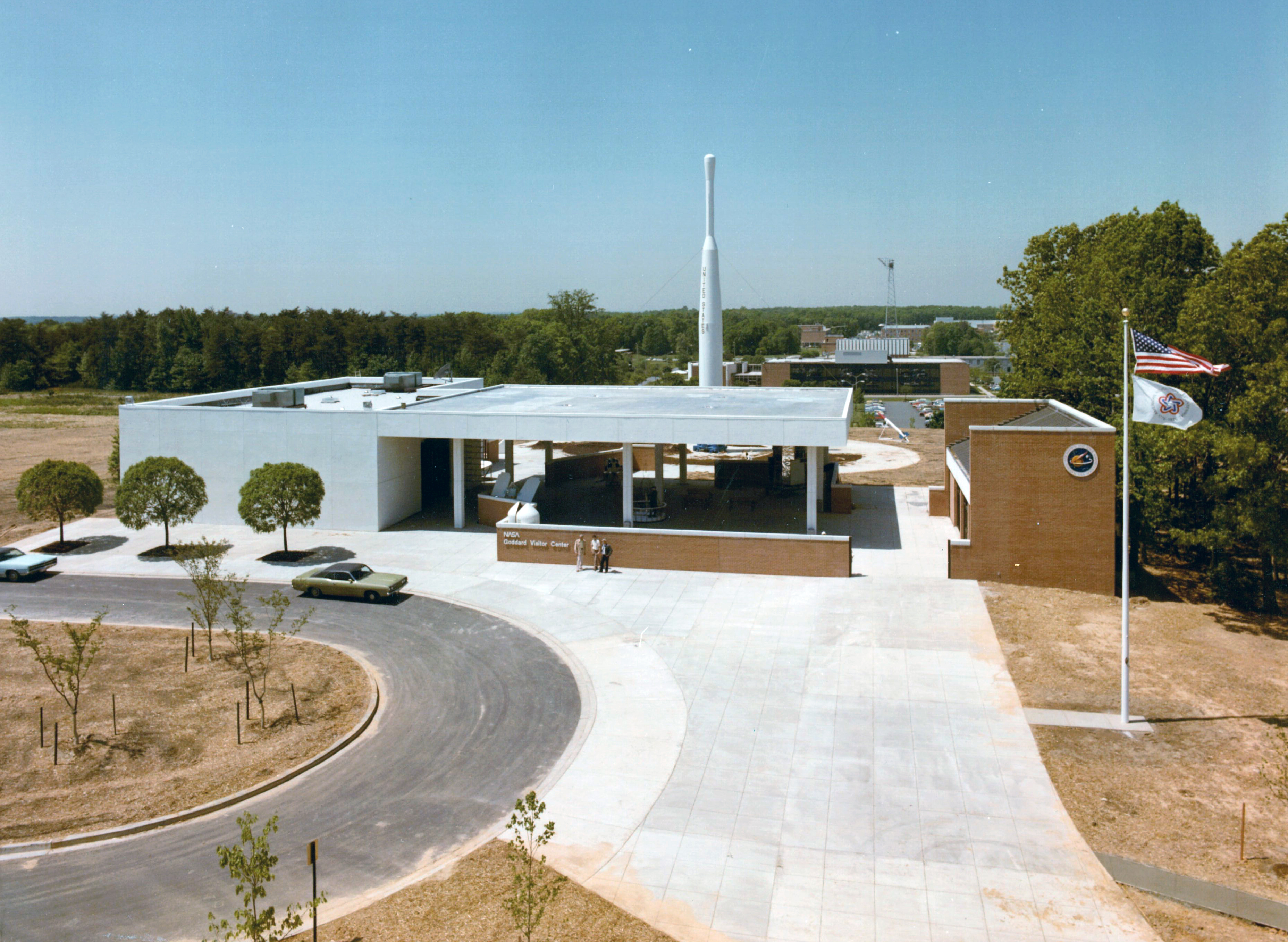
Celebrating 50 Years of Cosmic Discovery at NASA Goddard's Visitor Center
A half-century of inspiration unfolds at NASA Goddard's Visitor Center, a cornerstone of space exploration education since 1976. As we commemorate this milestone, the center continues to illuminate the past, present, and future of our universe through groundbreaking exhibits and programs.
Unveiling Cosmic Chemistry: Signs of Life Among the Stars
Recent advancements in astronomical observations hint at the tantalizing possibility of finding life beyond Earth, yet the path to confirmation remains a lengthy endeavor. As scientists detect molecular signatures in the atmospheres of distant exoplanets, the quest for extraterrestrial life enters an exciting but protracted phase.