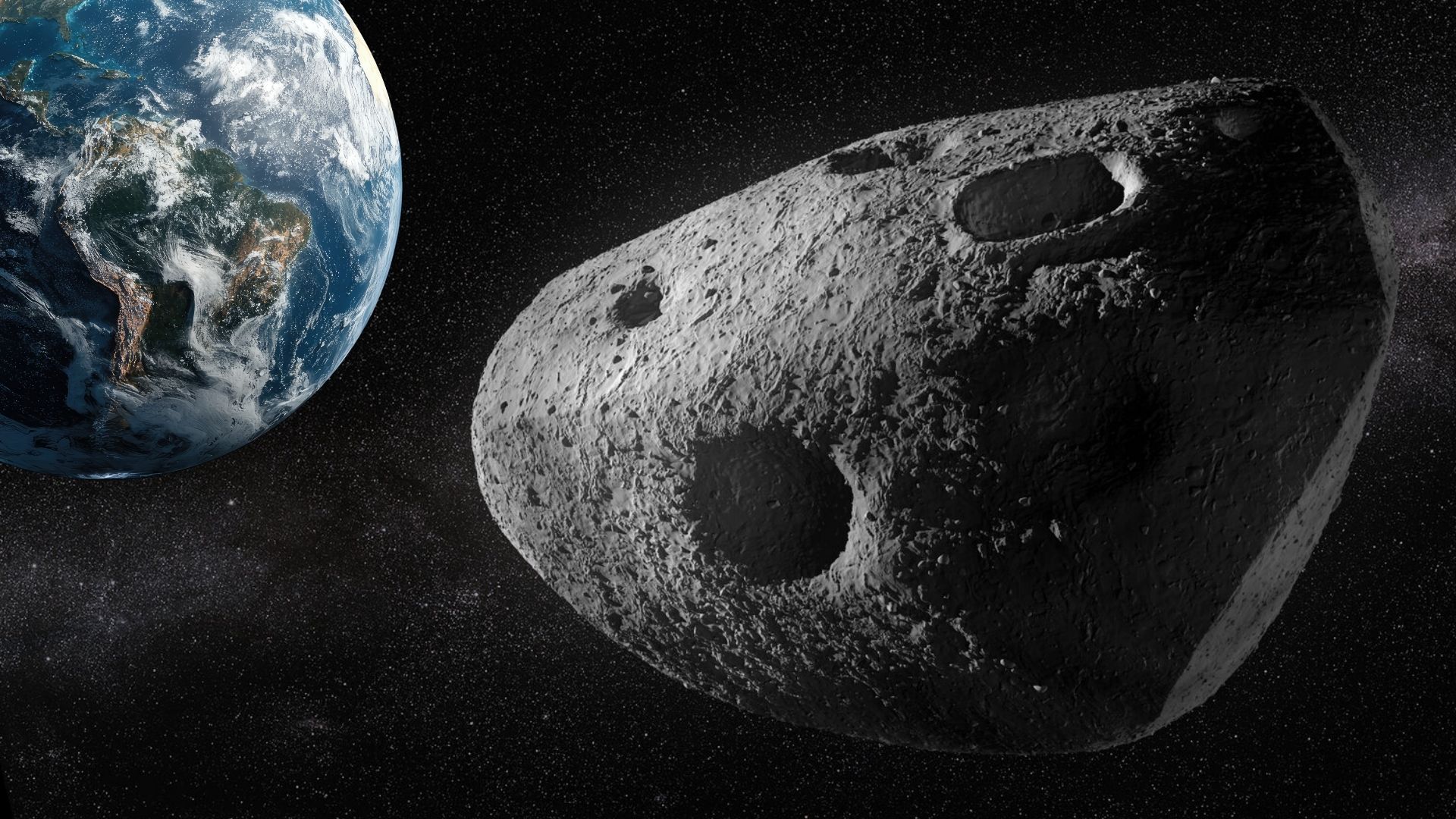
The celestial ballet of our solar system is not without its hazards; among them, asteroids hold the potential to pose significant threats to Earth. With the infamous asteroid Apophis, which has sparked concern since its discovery, looming on our cosmic radar, the need for a proactive approach to planetary defense is more pressing than ever. In a remarkable advancement, California-based Exploration Labs has unveiled plans for the Apophis EX mission, a commercial deep space ride share initiative that aims to intercept and study this potentially hazardous asteroid. This mission not only represents a leap forward in our understanding of near-Earth objects (NEOs) but also highlights the critical importance of safeguarding our planet from extraterrestrial threats.
Scheduled to launch in the coming years, the Apophis EX mission is poised to be the first of its kind in the commercial realm, combining innovative technology with ambitious objectives. Apophis, measuring approximately 340 meters in diameter, has made headlines since 2004 due to its close approaches to Earth and initial predictions of a potential impact in 2029. Although subsequent observations have alleviated immediate concerns, the mission aims to gather essential data on the asteroid's composition, structure, and trajectory, thus enhancing our predictive capabilities for similar celestial bodies. The ride share model allows multiple payloads to be launched simultaneously, maximizing resources and fostering collaboration among various stakeholders in the aerospace industry.
Exploration Labs is collaborating with a consortium of academic institutions and private enterprises, uniting expertise from fields such as astrophysics, engineering, and planetary science. The mission will utilize state-of-the-art telescopes and sensors to meticulously analyze Apophis and gather detailed information regarding its physical and chemical properties. This data will be invaluable not only for assessing the asteroid's potential risk but also for advancing our understanding of the history and evolution of our solar system. The implications of this mission extend far beyond Apophis itself; it serves as a prototype for future endeavors aimed at deflecting hazardous asteroids and ensuring the long-term safety of life on Earth.
In the broader context of planetary defense, the Apophis EX mission highlights the burgeoning role of private companies in space exploration and asteroid monitoring. Traditionally dominated by governmental space agencies, the field is rapidly evolving as commercial ventures take on increasingly significant responsibilities. This shift is indicative of a larger trend within the aerospace industry, where partnerships between private entities and public institutions are becoming essential for tackling global challenges. The successful execution of this mission could pave the way for new regulatory frameworks and funding models that prioritize planetary defense, ultimately leading to a more secure future for our planet.
CuraFeed Take: The Apophis EX mission is not merely a scientific endeavor; it embodies a paradigm shift in how we approach the existential threats posed by NEOs. As Exploration Labs leads the charge, it will be crucial to monitor the mission's outcomes and assess how this collaborative model can influence future planetary defense strategies. For enthusiasts and professionals alike, the success of Apophis EX could ignite a renaissance in asteroid research and mitigation efforts, prompting an urgent dialogue about the technologies and policies necessary to protect our planet. As we stand on the brink of this new frontier, all eyes will surely be on Apophis and the innovations that unfold in its wake.