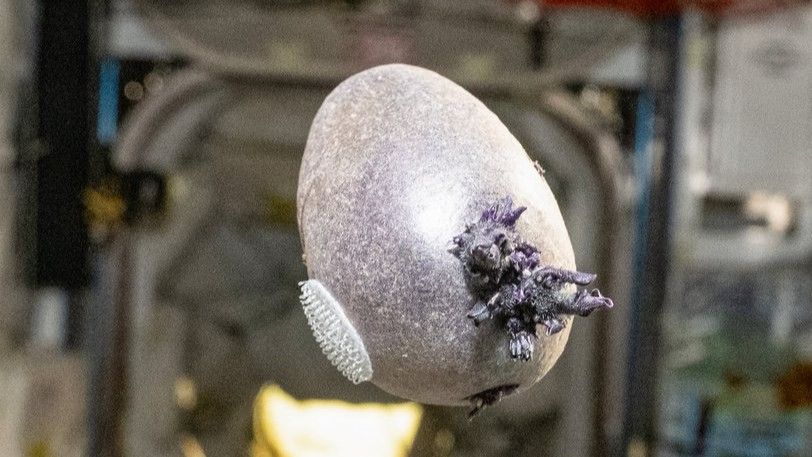
As humanity's aspiration to colonize other planets inches closer to reality, a groundbreaking development is sprouting from the depths of space exploration: Spudnik, the edible potato engineered specifically for Martian conditions. This fuzzy, purple tuber is not just a novelty; it's a vital step toward achieving sustainable life on Mars. With NASA and other space agencies ramping up their missions to the Red Planet, Spudnik could become an essential food source for astronauts and future settlers.
Spudnik isn't your average potato; it's the result of cutting-edge agricultural research and advanced biotechnology. Developed by a team of scientists, this unique potato has been carefully optimized to thrive in the harsh conditions of Mars, including its low gravity and extreme temperature variations. The project has included rigorous testing in simulated Martian environments to ensure that Spudnik can not only grow but also yield nutritional benefits for astronauts on long-duration missions. This edible marvel is poised to tackle the challenges of food sustainability as we reach for the stars.
But the significance of Spudnik stretches far beyond its fuzzy exterior. As space missions become more ambitious, the need for self-sustaining life systems becomes paramount. Current missions like NASA's Artemis program and SpaceX's plans to facilitate human travel to Mars spotlight the necessity of in-situ resource utilization. Growing food on Mars could reduce the need for resupply missions from Earth, making long-term habitation feasible. Spudnik is part of a larger vision where agriculture plays a crucial role in human survival beyond our planet.
In the broader context of space exploration, Spudnik's development reflects the increasing convergence of agriculture and space technology. As agencies like the European Space Agency (ESA) and private entities like SpaceX pursue their ambitious goals, the cultivation of crops in extraterrestrial environments has never been more relevant. With past experiments aboard the International Space Station (ISS) paving the way, scientists are learning how to grow food in microgravity, and Spudnik is a natural progression in that journey.
CuraFeed Take: The emergence of Spudnik represents a significant leap forward in our quest for interplanetary living. This initiative not only showcases the innovative spirit required for long-term space missions but also highlights the potential for collaboration between agencies and private sectors in developing sustainable solutions. As we look ahead, the success of Spudnik could set the stage for further agricultural advancements, positioning space agriculture as a critical component of future Mars missions. Keep an eye on upcoming missions as we track how Spudnik and similar projects could redefine our relationship with food and the cosmos!