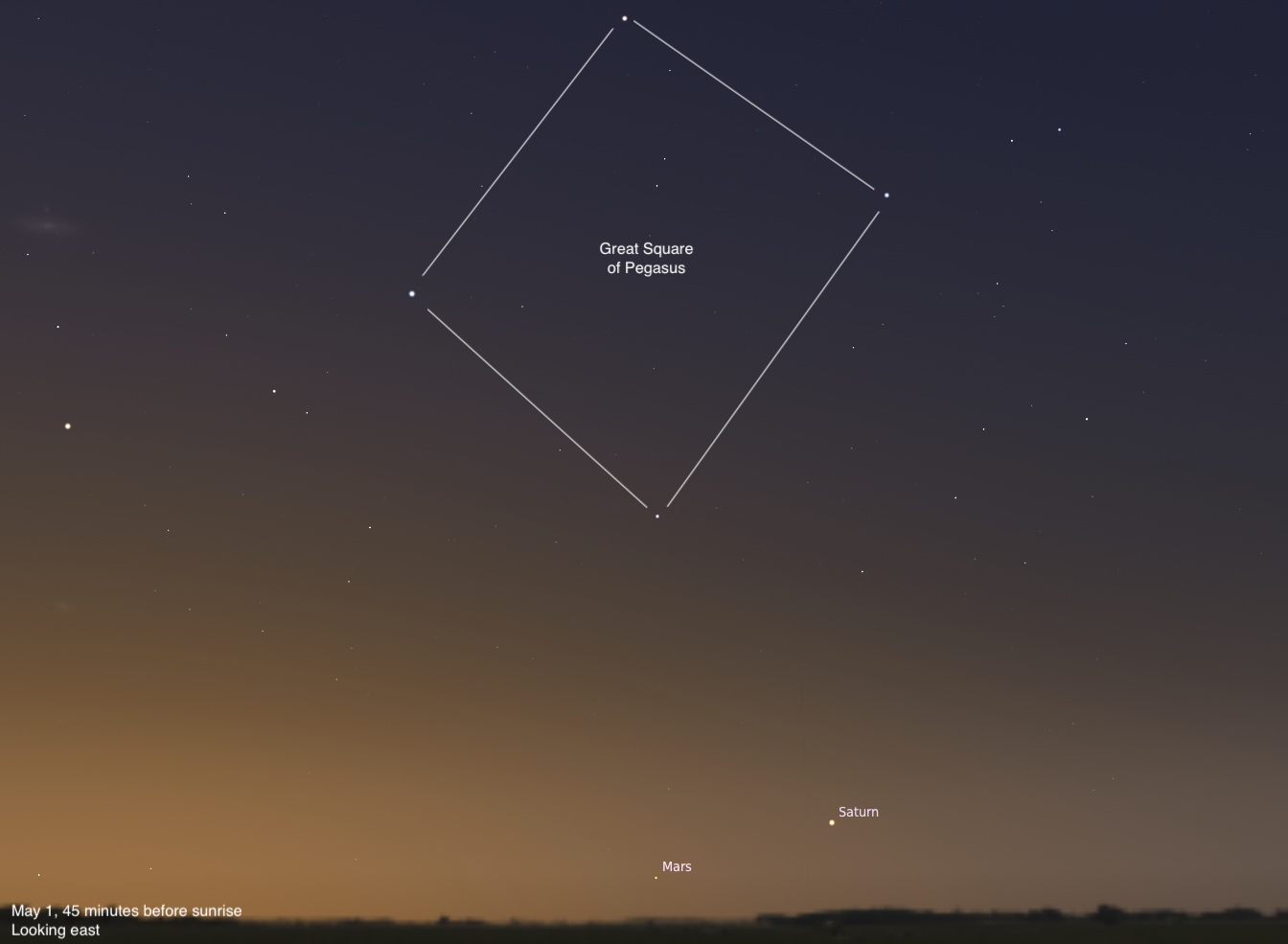
As the dawn approaches on May 1st, skywatchers are in for a treat as the majestic planet Saturn makes its presence known. For enthusiasts of space missions and astronomical events, the chance to glimpse this gas giant before sunrise is an exciting opportunity to connect with our cosmic neighborhood. With Saturn rising earlier each morning, now is the perfect time to step outside and observe its beauty.
On May 1st, Saturn will be positioned high in the sky, reaching an altitude of nearly 30 degrees about 45 minutes before the sun breaks the horizon. This prime viewing window means that, armed with just a good pair of binoculars or a telescope, you can witness the intricate ring system that makes Saturn one of the most captivating planets in our solar system. Coupled with the bright glow of Venus and a pair of twinkling stars nearby, the scene promises to be a stunning tableau for stargazers.
As Saturn rises, it's an invitation for all space enthusiasts to engage with the cosmos. With its distinctive yellowish hue and remarkable rings, Saturn is not just an object of beauty; it serves as a reminder of the incredible missions that have expanded our understanding of the planets. From the groundbreaking Cassini-Huygens mission to ongoing observations by space telescopes, each discovery adds to the tapestry of knowledge we have about our solar system.
But why does this celestial event matter to those tracking space missions? The visibility of Saturn is not just an aesthetic experience; it speaks to the ongoing fascination with planetary science and exploration. As we prepare for upcoming missions to explore the outer planets, such as NASA's Europa Clipper and ESA's JUICE, events like these serve as a reminder of the wonders that await us beyond Earth.
CuraFeed Take: The visibility of Saturn this week is more than just a beautiful sight; it underscores the importance of continued investment in space exploration. As the next generation of missions prepares to unveil the secrets of our solar system, public interest in events like these can inspire future scientists and explorers. Keep your eyes on the sky and your ears open for news on upcoming missions—there's so much more to discover!