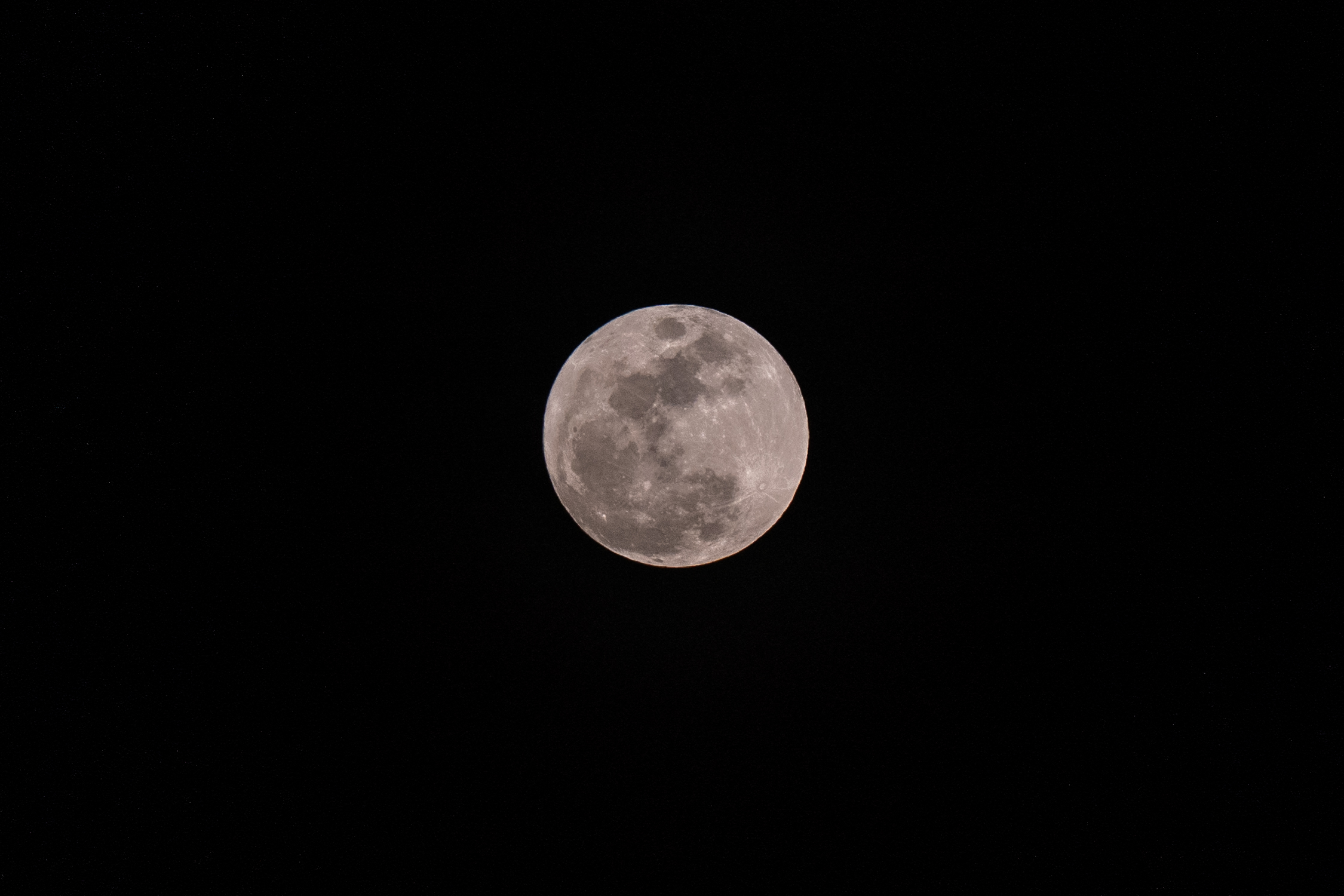
The universe is always buzzing with activity, and this week, it’s time to turn our gaze to the skies as May opens with a breathtaking Full Moon. This celestial event, occurring on May 1st at precisely 1:23 P.M. EDT, isn’t just a beautiful sight; it’s a reminder of the intricate dance of the Earth, Moon, and Sun that continues to captivate humanity. As space enthusiasts, we have a unique opportunity to appreciate the significance of this lunar phase and what it means for our ongoing exploration of the cosmos.
This Full Moon, often referred to as the "Flower Moon" due to its association with the blooming of flowers in May, is the first of two Full Moons this month. The second, a rare occurrence known as a "Blue Moon," will take place later this year, presenting a unique opportunity for stargazers. Notably, the Blue Moon is set to occur on May 31st, making it a highly anticipated event for both casual observers and seasoned astronomers alike.
As we celebrate this lunar event, it’s essential to remember that it serves as a backdrop for ongoing missions and research. NASA and other international space agencies are closely monitoring the Moon’s phases as they continue to plan lunar exploration missions. The Artemis program, aiming to return humans to the Moon by 2024, is seeking to make the most of these lunar cycles to study lunar geology and possibly identify resources that could support future human presence. This Full Moon serves as a reminder of the Moon's importance in our quest for knowledge beyond Earth.
The Full Moon's illumination offers stargazers a perfect opportunity to observe other celestial objects, from the bright planets to distant stars. As the Moon waxes and wanes, it influences not only the tides on Earth but also offers a unique perspective for satellite deployments and astronomical observations. With the rise of new technologies and missions, this week's Full Moon acts as a springboard for the exploration of our solar system and beyond.
In the context of space exploration, this lunar phase often aligns with mission timelines, such as satellite launches and planetary observations. Agencies like the European Space Agency (ESA) and SpaceX are keenly aware of how the Moon's phases can impact missions, particularly those involving lunar landers and orbital mechanics. As we dive deeper into May, the Full Moon serves as a crucial point of reference for upcoming launches and celestial events.
CuraFeed Take: The Full Moon this week is not just a beautiful spectacle; it represents a pivotal moment in the ongoing narrative of space exploration. As agencies worldwide gear up for their lunar missions, this lunar phase reminds us of the interconnectedness of our cosmic endeavors. The excitement surrounding the upcoming Blue Moon only adds to the anticipation of what lies ahead in our exploration of the Moon and beyond. Keep your telescopes ready as May is set to deliver more than just stunning lunar views; it will also pave the way for future missions that could change our understanding of the universe.