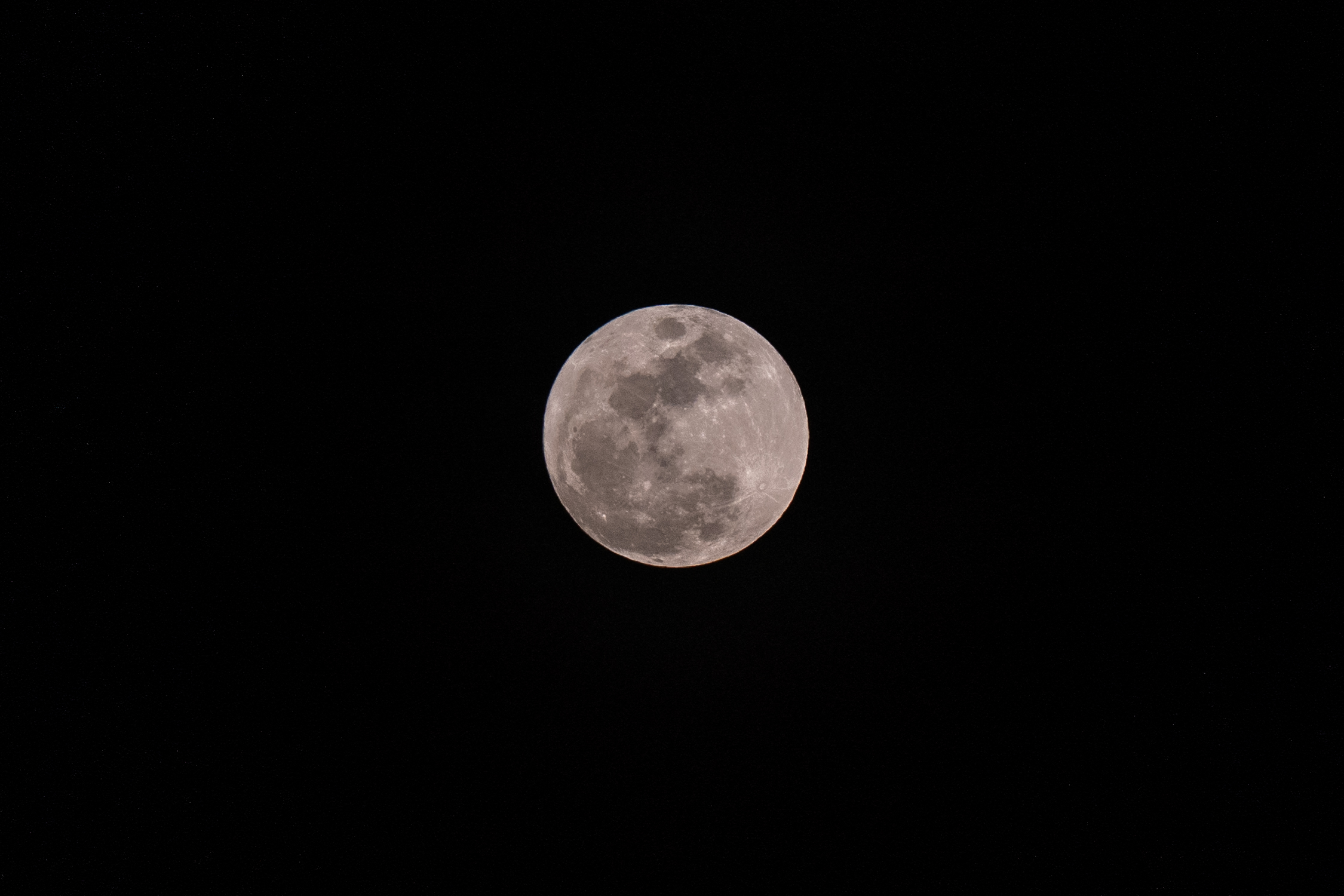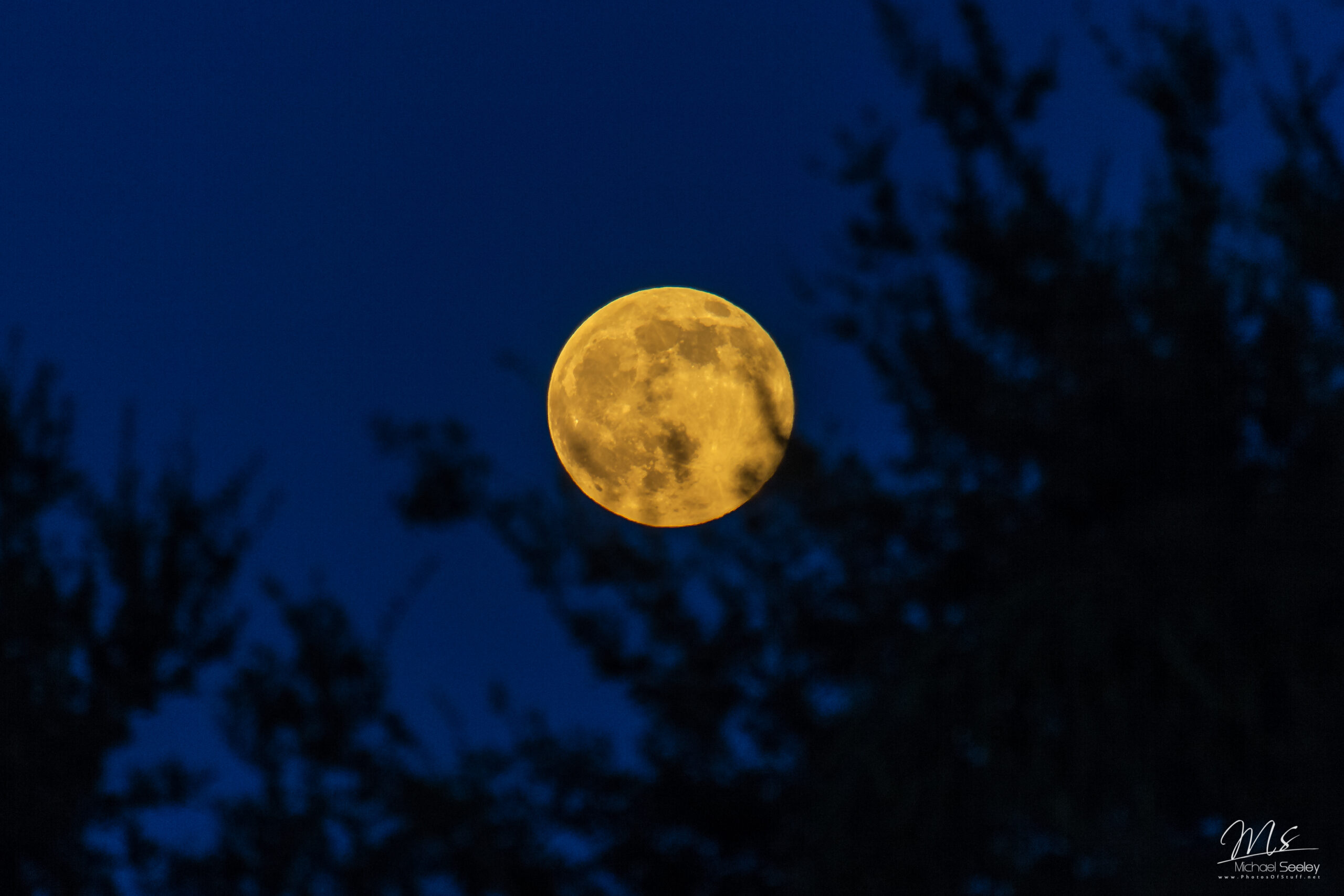
As we venture further into a new era of space exploration, the significance of celestial events like the Full Moon cannot be overstated. The Full Moon occurs when Earth stands directly between the Sun and the Moon, allowing the entire illuminated side of our lunar neighbor to shine brilliantly in the night sky. This alignment not only captivates our imagination but also serves as an excellent opportunity for scientists and space agencies to engage with the public and foster a deeper appreciation for our cosmic surroundings.
The year 2026 promises to be an exciting one for lunar enthusiasts and space mission followers. Each Full Moon phase offers a chance not just to enjoy its beauty but also to observe how our closest celestial companion interacts with different elements of our solar system. In 2026, there will be 13 Full Moons, each bringing its unique charm and significance, from the Wolf Moon in January to the Cold Moon in December. These lunar events will be particularly exciting for those tracking ongoing missions that involve the Moon and its exploration.
Mark your calendars! The first Full Moon of 2026 will occur on January 25, followed by notable lunar phases on February 24, March 25, and continuing through the year. These dates are crucial for both casual stargazers and dedicated astronomers, as they provide ideal moments for observation and photography. Whether you're planning a backyard viewing party or an elaborate astrophotography session, these Full Moon dates are perfect opportunities to witness the beauty of our lunar neighbor.
But why does this matter in the broader context of space exploration? The Moon serves as a stepping stone for future human missions to Mars and beyond. Agencies like NASA and ESA are planning missions that will further explore lunar resources, which could one day support long-term human habitation on the Moon. As we prepare for these ambitious goals, understanding the lunar cycle and its phases becomes vital for timing potential future missions and experiments. For instance, lunar eclipses or specific Full Moon events could influence mission planning and operations.
CuraFeed Take: The Full Moon is more than just a pretty sight; it's a reminder of our ongoing relationship with space exploration. As we look forward to 2026, keep an eye on the Moon's phases, as they will coincide with various missions and research initiatives focused on lunar exploration. The upcoming Full Moons offer a unique opportunity for public engagement, inspiring the next generation of space enthusiasts and scientists. As we prepare for a new era of lunar exploration, we can expect even more remarkable developments that will redefine our understanding of the cosmos.