As space enthusiasts gear up for the next wave of interplanetary exploration, the mysteries of Venus are back in the spotlight. Recent revelations surrounding a noteworthy eruption in Hawaii have scientists pondering whether this volcanic activity could shed light on the current state of volcanism on the enigmatic second planet from the Sun. With space missions to Venus gaining traction, now is the perfect moment for this research to shift our understanding of Earth's sister planet.
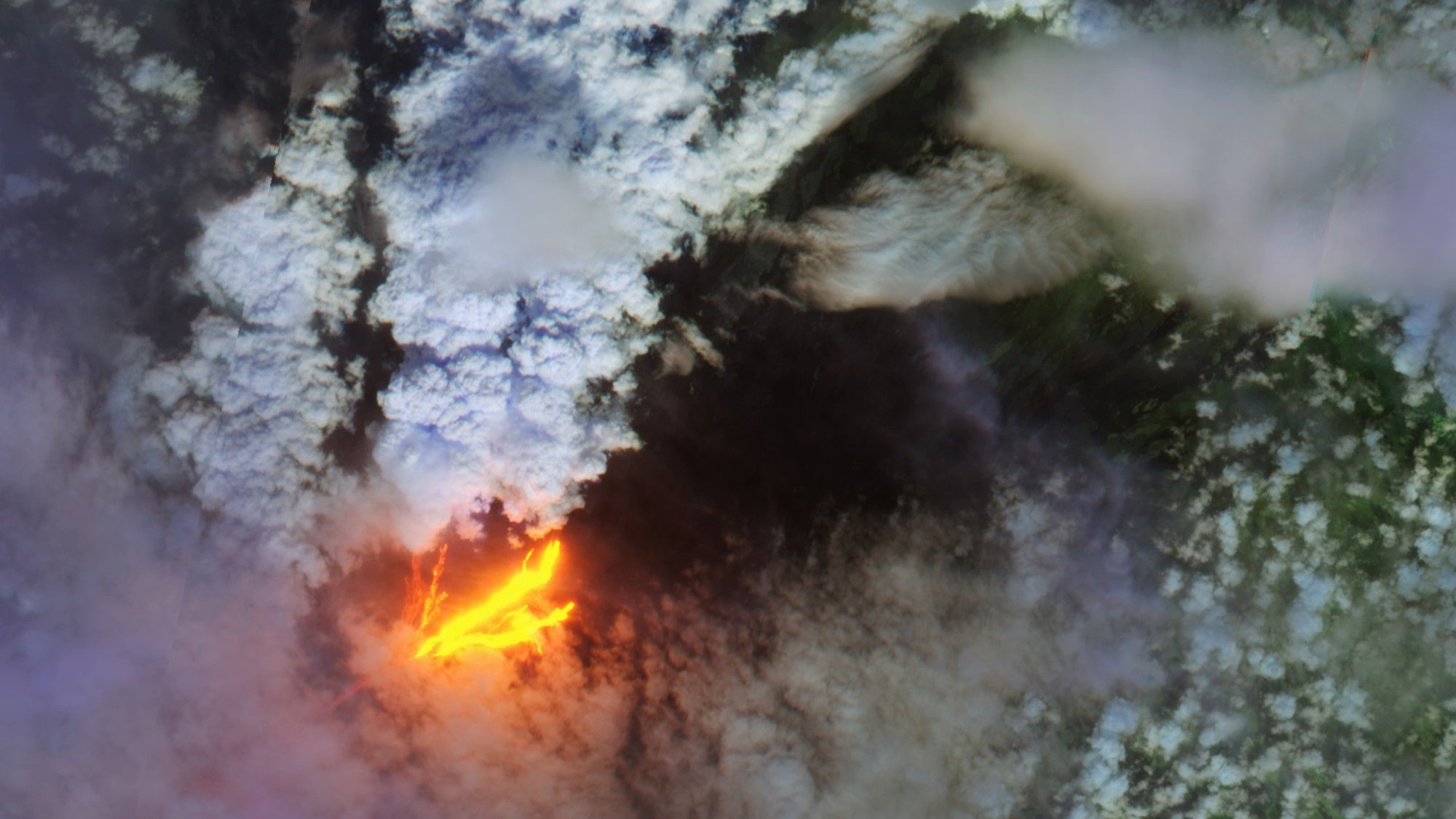
In 2022, a significant eruption occurred on the Big Island of Hawaii, capturing the attention of volcanologists worldwide. This event, characterized by a dramatic outpouring of lava and ash, provided researchers with a unique opportunity to study volcanic processes in real-time. Using this data, scientists hope to draw parallels with what they observe on Venus, where the surface is shrouded in thick clouds, making direct observation a challenge. The findings from Hawaii could help refine models of volcanic behavior and activity on Venus, which has long been a subject of intrigue and speculation.
In recent years, missions like NASA's Parker Solar Probe and ESA's EnVision have fueled interest in Venus, as they aim to explore its geology and atmosphere. The potential for discovering ongoing volcanic activity on Venus could reshape our understanding of its geological history and evolution. If confirmed, this would suggest that Venus is not merely a dormant planet but rather a dynamic world with ongoing geological processes. This revelation could have profound implications for our understanding of planetary formation and evolution across the solar system.
The context of these findings is crucial, especially as scientists continue to grapple with the complexities of planetary geology. Over the years, Venus has often been regarded as a hellish landscape, with its scorching temperatures and crushing atmospheric pressure. However, new data from radar mapping and surface imaging has revealed a more nuanced picture, suggesting that the planet may be more geologically active than previously thought. By comparing volcanic activity on Earth with potential signs of volcanism on Venus, researchers are beginning to construct a clearer narrative of our neighboring planet's past and present.
CuraFeed Take: The implications of confirming volcanic activity on Venus are immense. Not only would it inspire future missions with potential landers and orbiters to explore this dynamic environment, but it would also enhance our understanding of other rocky planets within and beyond our solar system. As we stand on the cusp of a new era in planetary science, the insights from our Hawaiian eruption may just be the catalyst needed to unlock the secrets of Venus. Keep your eyes peeled as we await more data from missions set to launch in the coming years, and prepare for a thrilling journey into the heart of our solar system's most mysterious planet.