As humanity prepares for a bold new chapter in lunar exploration, the Artemis II mission has not only captured our imagination but also showcased the potential of cutting-edge communication technology. Launched with the goal of returning humans to the Moon, this mission has provided a thrilling glimpse into how we could maintain contact with astronauts on distant celestial bodies. The advancements made during this mission are crucial, especially as we look to establish a sustainable presence on the Moon and beyond.
In April, as the Artemis II crew made their flyby around the Moon, they were equipped with a revolutionary laser communications system that outperformed traditional radio systems by leaps and bounds. This compact optical terminal, mounted on the exterior of the Orion spacecraft, beamed an astonishing 484 gigabytes of data back to Earth using invisible infrared light. The implications of this technology are massive, enabling a level of detail in imagery and data transmission that was previously unimaginable.
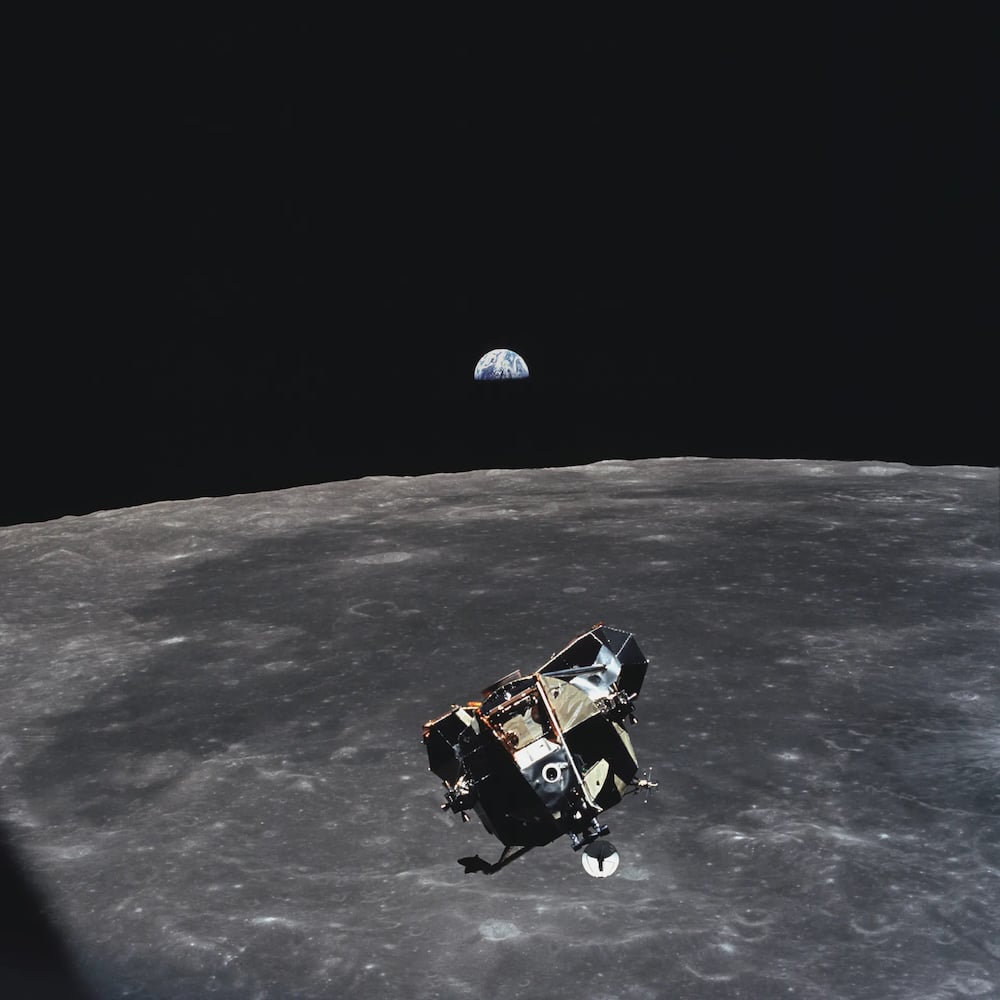
The results were spectacular; the world was treated to some of the most vivid and detailed images of the lunar surface ever captured in deep space. This leap forward in communication technology not only enhances the astronaut experience but also provides scientists and engineers with a wealth of information that can be used to plan future missions more effectively. The Artemis II mission is not just about reaching the Moon; it’s about redefining our capabilities in space exploration.
This shift towards laser communication is a game-changer in the broader context of space missions. Traditionally, radio waves have been the backbone of space communication, but they come with limitations in terms of bandwidth and speed. As we venture further into our solar system, from Mars missions to potential journeys to the outer planets, the demand for faster, more reliable communication systems will only intensify. The Artemis II mission’s successful deployment of this technology sets a precedent for future endeavors, ensuring that as we push boundaries, our ability to communicate will keep pace.
CuraFeed Take: The successful demonstration of laser communications during Artemis II signals a pivotal shift in the way we approach deep-space missions. This technology not only enhances the capabilities of missions like Artemis but also positions NASA as a leader in innovative space communication solutions. As we look forward, future missions will likely adopt this technology, allowing for richer data transfer and better connectivity. Keep an eye on upcoming missions to the Moon and Mars, as the advantages of laser communications could very well shape the future of human exploration and scientific discovery beyond our planet.