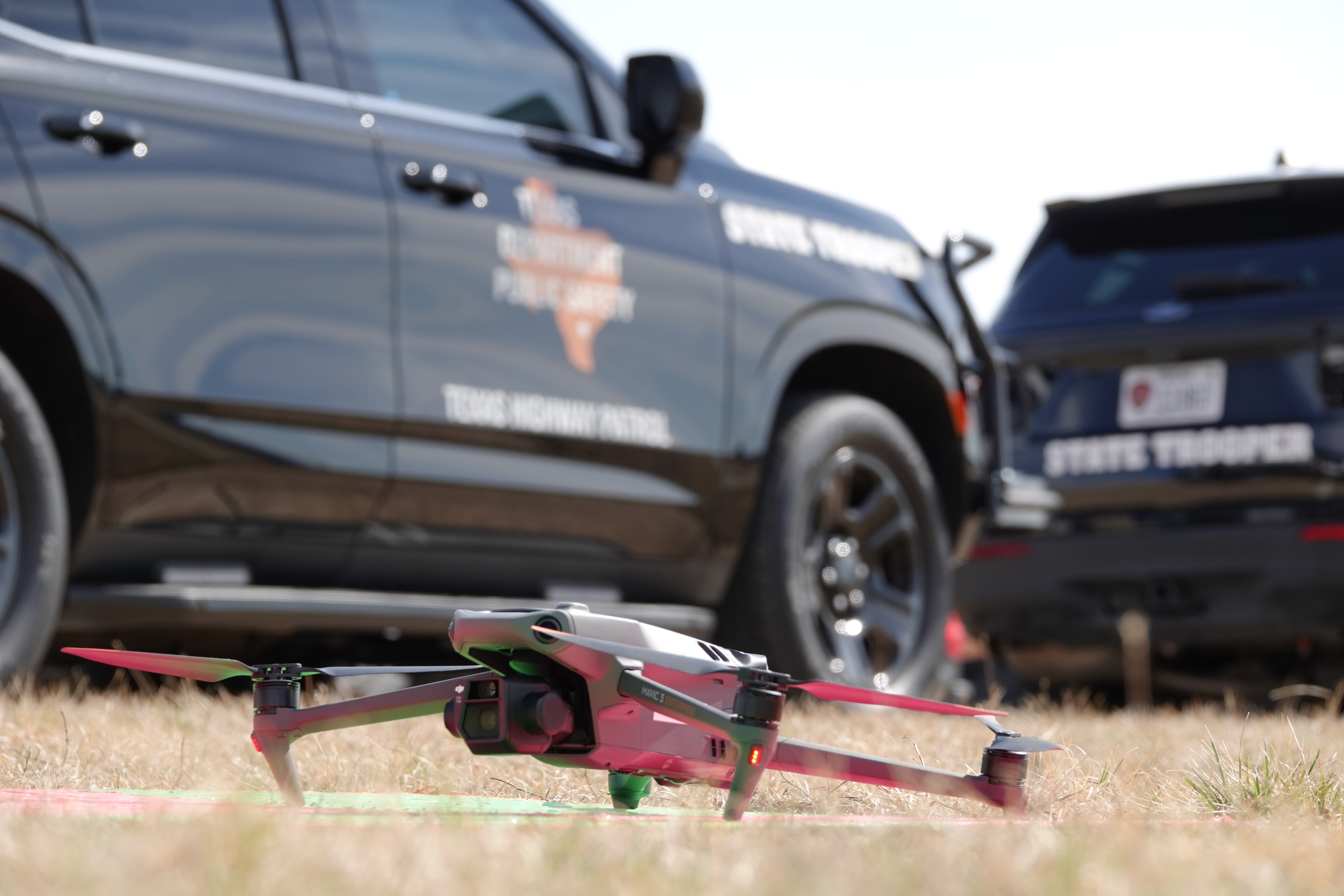
In an era where urban air mobility (UAM) is on the cusp of becoming a reality, the integration of drones into our daily lives poses significant operational challenges. With the anticipated increase in drone deliveries and commercial applications, the skies are expected to become as congested as our roads. This evolution begs the question: how do we ensure that emergency services can efficiently navigate these crowded airways? NASA is taking on this challenge head-on by prioritizing the integration of first response drones into the emerging air traffic management systems.
The agency's latest initiative focuses on developing protocols and technologies that enable emergency drones, such as those used by police and fire departments, to receive priority access to airspace. This effort is crucial as the volume of commercial drones is projected to skyrocket. NASA has partnered with various stakeholders, including industry leaders and regulatory bodies, to explore the feasibility of these systems. By leveraging advanced algorithms and real-time data analytics, NASA aims to create a framework that allows first response drones to be seamlessly integrated into existing air traffic management systems, ensuring they can reach emergencies promptly.
Key technical specifics of this initiative include the development of a dynamic airspace management platform that uses machine learning to predict drone traffic patterns. This platform will be capable of prioritizing emergency drones based on their mission-critical status while also considering other aerial vehicles in the vicinity. Furthermore, NASA is exploring the use of geofencing technology to establish safe zones for emergency drones, minimizing potential collisions and ensuring clear flight paths. The collaboration with commercial drone operators and urban planners will be pivotal in shaping regulatory frameworks that support this vision.
This initiative is a vital piece of the broader narrative surrounding artificial intelligence and automation in aerospace. The advent of AI-driven traffic management systems in urban air mobility is not just about improving efficiency; it's about ensuring resilience in our emergency response capabilities. As drones become an integral part of city infrastructure, the emphasis on safe operations and prioritization for emergency services is critical for public safety and trust.
CuraFeed Take: NASA's proactive approach to prioritizing emergency response drones signifies a major shift in how we perceive air traffic management in urban environments. While the technology promises to enhance safety and efficiency, it also raises questions about equity in airspace access and the potential for monopolization by larger drone operators. Moving forward, stakeholders must remain vigilant about the implications of these developments, ensuring that all drones, especially those serving the community, have a clear and fair path in the skies.