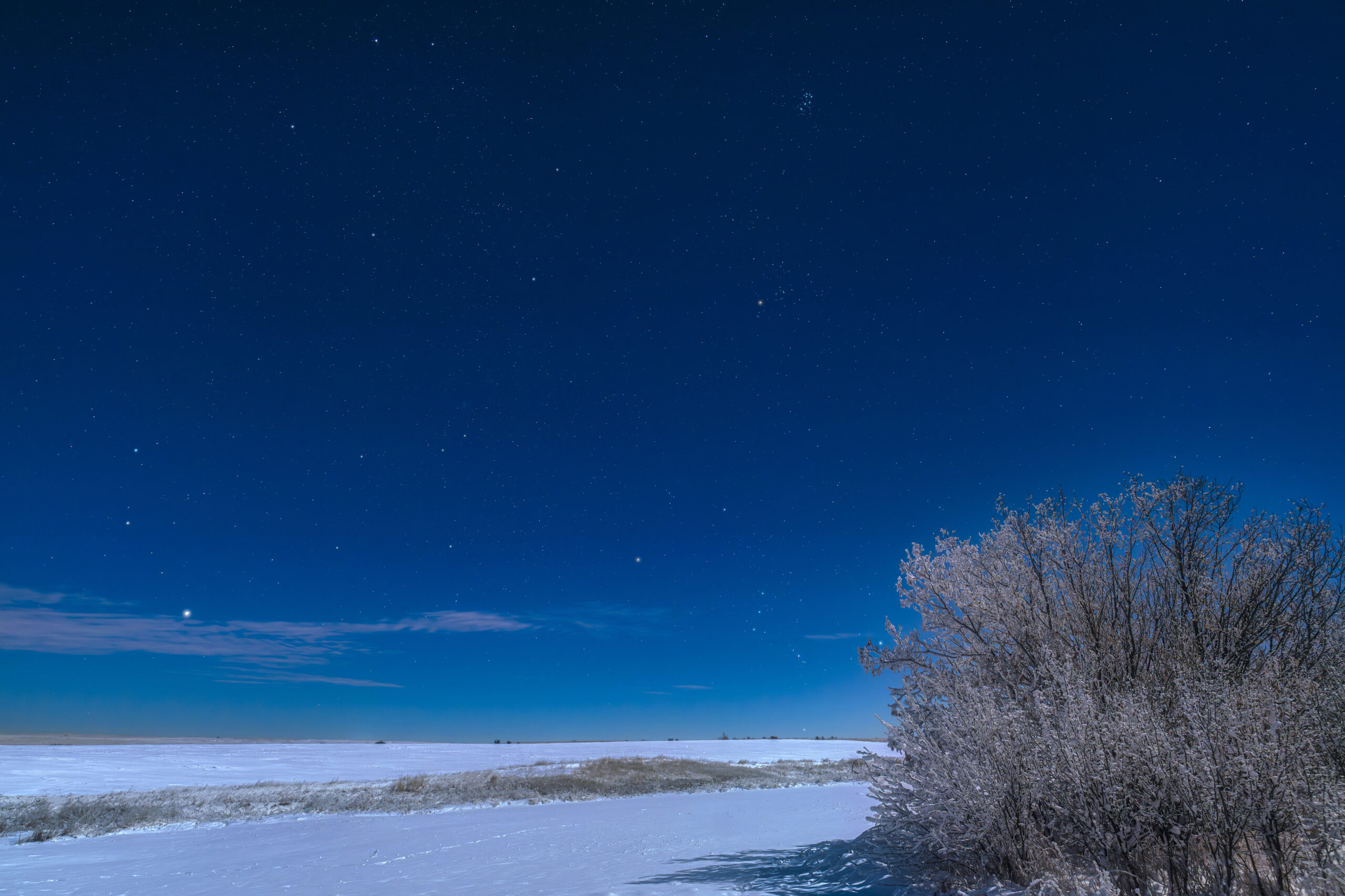
As the seasons shift from winter to spring, the skies above the Gulf of Alaska become a living laboratory for aerospace engineers, showcasing a variety of cloud formations that offer critical insights into atmospheric dynamics. This seasonal transition is not merely a visual spectacle; it has profound implications for aerospace applications ranging from propulsion systems to spacecraft design and operational safety during launch and reentry phases.
The intricate cloud patterns observed in this region are attributed to a combination of temperature variations, moisture content, and wind patterns typical of the Gulf of Alaska. Engineers and meteorologists alike note that these formations, including stratocumulus and cumulonimbus clouds, provide essential data for modeling weather impacts on aerospace systems. For instance, understanding the behavior of these clouds can enhance the reliability of launch infrastructure, as varying atmospheric conditions can significantly affect trajectory calculations during rocket launches.
Furthermore, the Gulf of Alaska is a unique geographic area that experiences rapid weather changes, making it an ideal site for studying the effects of atmospheric phenomena on aerospace technologies. The data collected from this region can inform the design of advanced propulsion systems, enabling engineers to develop engines that can withstand diverse environmental conditions. For example, knowing how these clouds interact with airflow can lead to improvements in engine efficiency and reliability, particularly for missions that encounter variable weather patterns during ascent or descent.
In the broader context of the aerospace industry, the study of cloud dynamics is becoming increasingly relevant as we push the boundaries of space exploration. With the rise of commercial spaceflight and the increasing frequency of satellite launches, understanding atmospheric conditions is essential for ensuring mission success. As engineers continue to innovate in spacecraft design and launch technologies, the insights gained from observing cloud formations over the Gulf of Alaska will play a pivotal role in shaping future projects.
CuraFeed Take: The implications of seasonal weather patterns for aerospace engineering cannot be understated. As the industry moves toward more frequent and reliable launches, understanding atmospheric dynamics will be crucial. The winners in this evolving landscape will be those companies and engineers who can incorporate advanced weather modeling into their design and operational frameworks, ensuring safety and efficiency in an ever-changing environment. Looking ahead, the integration of AI-driven weather prediction models into launch planning processes may become a game-changer, allowing for real-time adjustments that can mitigate the risks posed by unpredictable cloud formations.