The month of May 2026 is set to be a captivating time for space enthusiasts and professionals alike, as a series of celestial events unfold that could influence both observational missions and launch schedules. With the resurgence of interest in deep space exploration and satellite deployment, aerospace engineers must pay close attention to the night sky and its implications for spacecraft design and operational efficiency. As we move into an era where precision is paramount, the timing of these events could present unique opportunities and challenges in the field of aerospace engineering.
Among the noteworthy occurrences this month, the peak of the Eta Aquarid meteor shower will take place right before dawn on May 6. This meteor shower, associated with Halley's Comet, is known for producing fast-moving meteors that can travel at speeds of up to 66 kilometers per second. For engineers involved in designing and deploying observational satellites or space telescopes, these meteors may not only serve as a spectacle but also as a test for shielding materials and operational protocols. Understanding the meteor shower's trajectory and frequency could offer invaluable data on how spacecraft can withstand such high-velocity impacts during similar events in their operational timelines.
On May 8, a brilliant conjunction between the Moon and Venus will occur, providing a perfect alignment that will be visible from Earth. This event holds particular significance for engineers working on lunar missions and planetary explorations. The Moon's proximity to Venus can serve as a reminder of the gravitational dynamics in play when designing lunar landers or interplanetary missions. The visibility of Venus alongside the Moon will also provide a unique opportunity for observational missions to calibrate sensors and refine imaging technologies, which are crucial in developing advanced spacecraft capable of navigating and operating in diverse celestial environments.
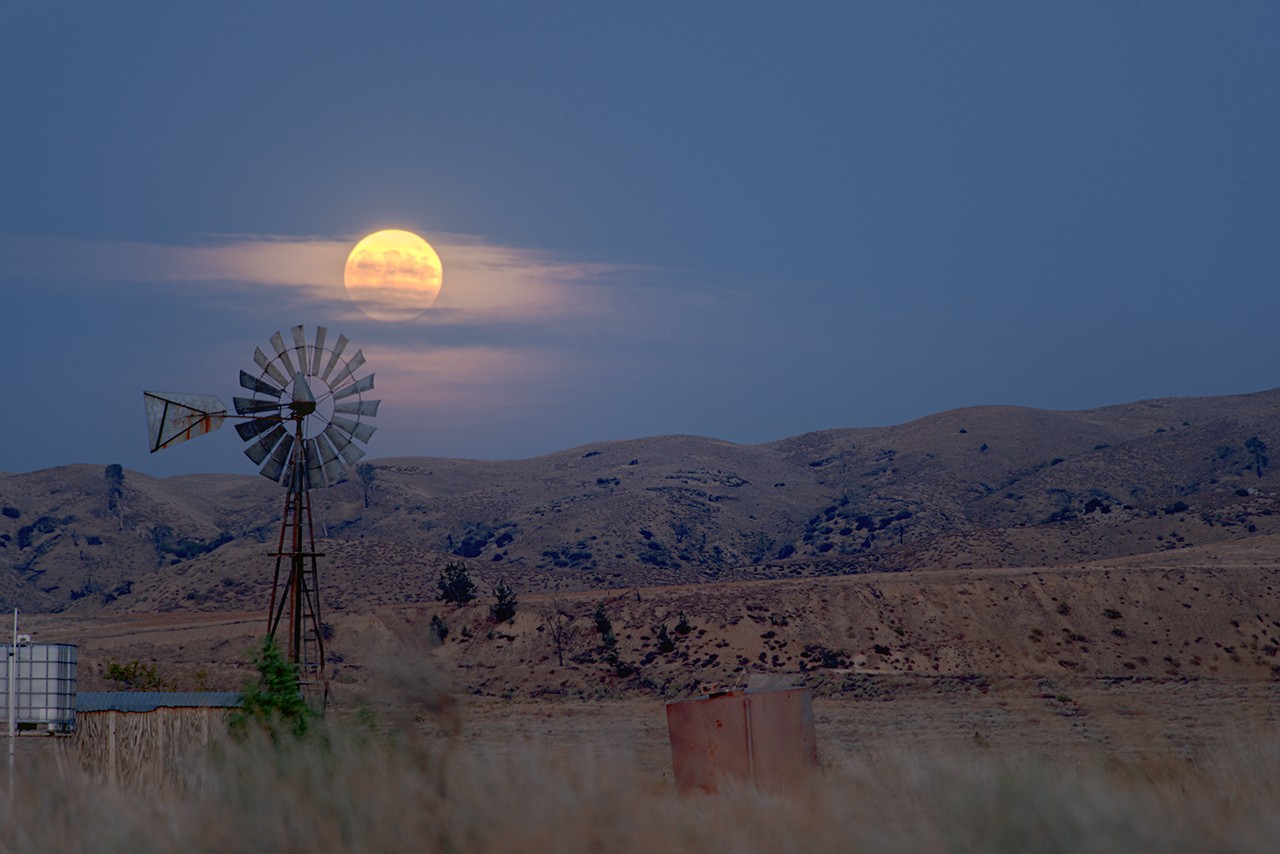
As we approach the end of the month, the phenomenon of a rare blue moon will occur on May 31. This event, defined as the second full moon within a single calendar month, is not only a spectacle but also a significant marker for scheduling launches. Engineers must consider the lunar phases when planning launch windows; the blue moon offers an opportunity to study the Moon's gravitational effects on spacecraft during ascent and orbital maneuvers. Operating in close proximity to the lunar surface can impact trajectory calculations, so this event serves as a timely reminder for engineers to revisit their mission parameters and ensure robustness in design.
These celestial happenings are not mere curiosities; they play a crucial role in shaping the operational landscape for aerospace engineers. The alignment of such events can influence launch windows, mission planning, and even the testing of propulsion systems. As the aerospace sector pivots towards more ambitious projects, understanding the implications of these astronomical events becomes essential. Engineers must integrate this knowledge into their design processes to enhance the resilience and adaptability of spacecraft.
CuraFeed Take: The upcoming celestial events in May 2026 underscore the importance of integrating astrodynamics and real-time observation into spacecraft design and mission planning. As the aerospace industry pushes the boundaries of exploration, those who can effectively leverage these events will lead the charge, optimizing launches and ensuring mission success. Watch for innovations in shielding materials and sensor technology as companies adapt to the dynamic challenges posed by these astronomical phenomena.